After the Storm: A Homeowner's Guide to Roof Damage in Pittsburgh
The weather here in Western Pennsylvania can turn on a dime. One minute it’s sunny, and the next, we’re facing high winds, driving rain, or even hail. While we’re used to this unpredictability, it can cause a lot of anxiety for homeowners. Your roof is your home's primary shield against the elements, and after a severe storm, it's natural to worry about its condition. The good news is that being prepared and knowing what to look for can make all the difference. At JS Jobs LLC Roofing Plus, we've helped countless families across the Pittsburgh area secure their homes after a storm. This guide will walk you through how to identify potential storm damage, understand your options, and take the right steps to protect your biggest investment.
Before the Wind Blows: Proactive Roof Protection
The best way to handle storm damage is to minimize its potential in the first place. A roof in excellent condition is far more likely to withstand severe weather than one with pre-existing issues. That’s why regular maintenance is not just a recommendation; it's a crucial part of homeownership.
Schedule a Professional Inspection: The most effective proactive step you can take is to have a professional roof inspection done, especially if your roof is over 10 years old. A trained eye can spot subtle signs of wear and tear that might be invisible from the ground, such as cracked sealant around vents, loose shingles, or areas of granule loss. Addressing these minor issues is far more affordable than dealing with a major leak after a storm.
Keep Gutters Clean: Clogged gutters can cause water to back up under your shingles, leading to rot and water damage to the roof deck and fascia. Before storm season, ensure your gutters and downspouts are clear of leaves and debris so they can effectively channel water away from your home.
Trim Overhanging Branches: Trees are a beautiful part of our local landscape, but overhanging limbs pose a significant threat during high winds. They can scrape against shingles, wearing them down over time, or break off and cause severe impact damage. Pruning branches away from your roofline is a simple but vital safety measure.
What to Look For After the Storm Passes
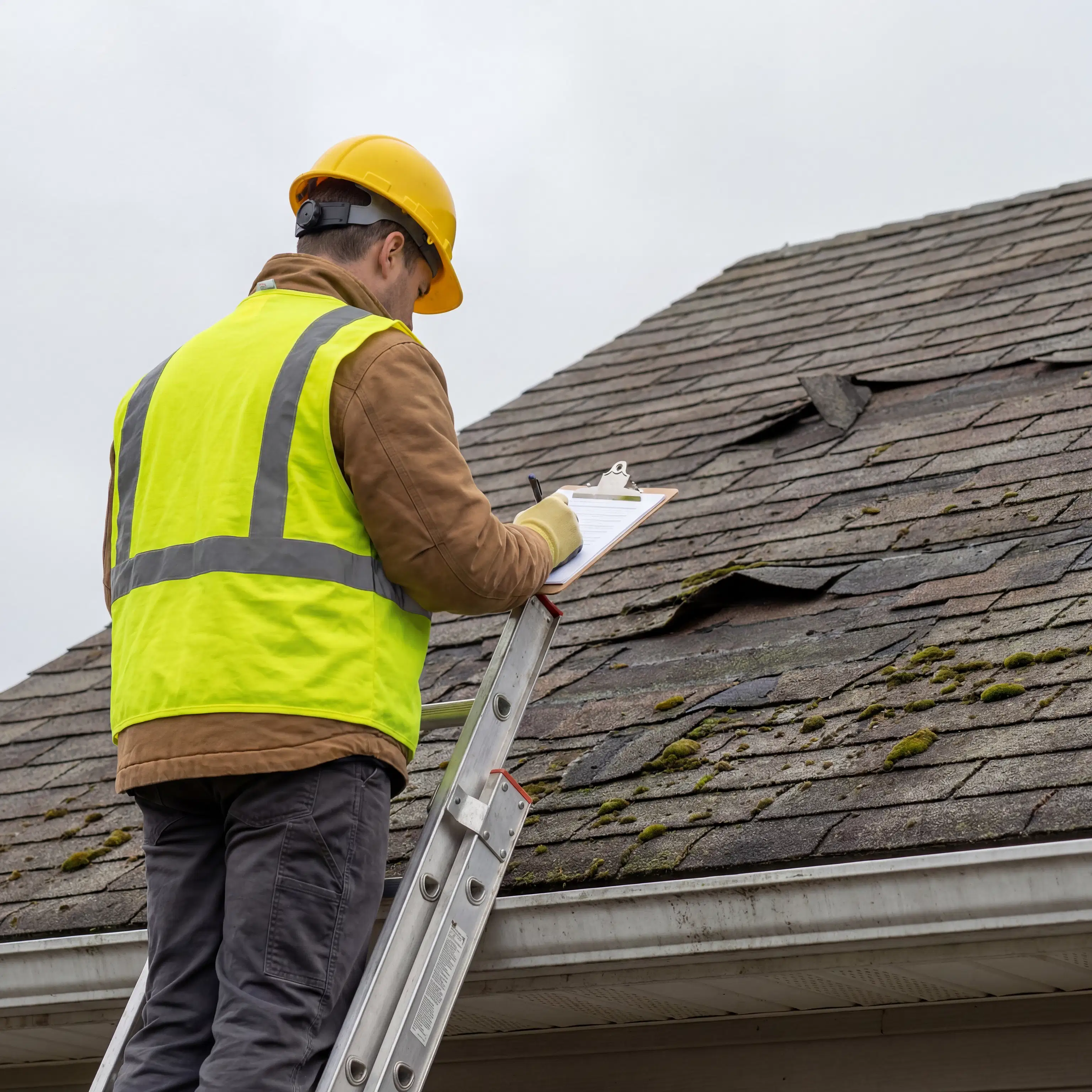
Once the storm has subsided and it's safe to go outside, it's time to assess the situation. Remember, safety first. Never climb onto a wet or potentially damaged roof. You can perform a thorough initial check from the ground and inside your home.
From the Ground:
- Missing or Damaged Shingles: Use binoculars to scan your entire roof. Look for shingles that are missing, cracked, curled, or have lifted edges. Pay close attention to the roof's ridges and edges, as these areas are most vulnerable to wind.
- Debris on the Roof: While some small twigs are normal, larger branches could indicate impact damage that needs a closer look.
- Check Gutters and Downspouts: Look for an excessive amount of asphalt granules in your gutters. Significant granule loss is a sign that your asphalt shingles are aging and have been weakened by the storm, reducing their ability to protect your home.
- Dents and Dings: Check your gutters, downspouts, and roof vents for dents, which are a clear indicator of hail.
Inside Your Home:
- Ceiling Stains: Check every room, especially on the top floor, for any new water stains or discoloration on the ceiling or walls.
- Attic Inspection: If you can safely access your attic, use a flashlight to look for signs of moisture, wet insulation, or daylight coming through the roof deck. A musty smell can also be a sign of a hidden leak.
Understanding Common Storm Damage: Wind, Hail, and Water
Pittsburgh weather can throw a few different punches, and each one affects your roof differently. Understanding the type of damage helps you know what to discuss with a roofing professional.
-
Wind Damage: High winds create pressure differences above and below your shingles. This can cause them to lift and bend, breaking the sealant that holds them down. Once this seal is broken, the shingle is vulnerable to being torn off completely, exposing the underlayment. Even if the shingle settles back down, a broken seal creates a pathway for wind-driven rain to get underneath.
-
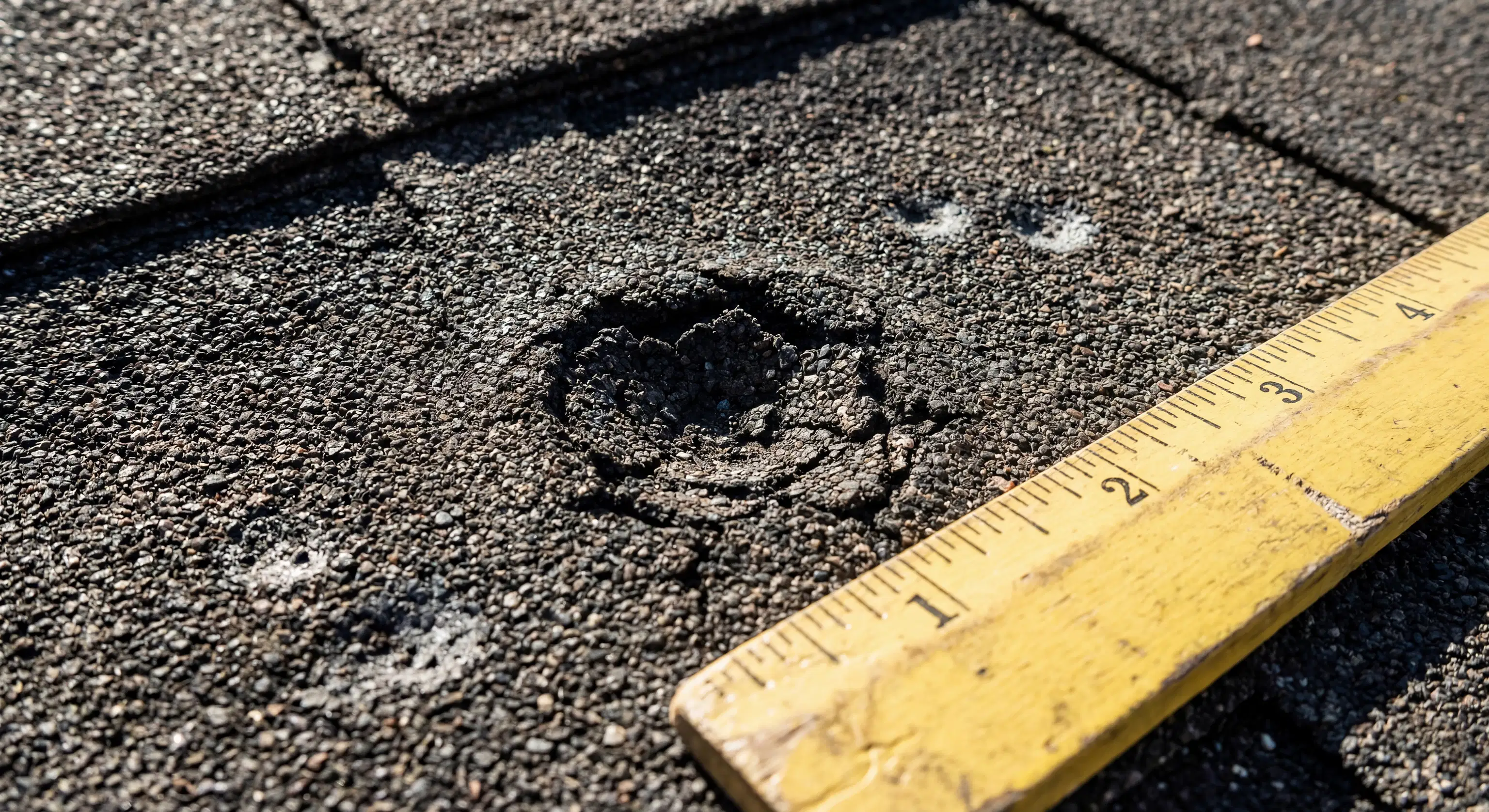
Hail Damage: Hail can be incredibly destructive. It strikes your shingles with force, creating bruises or dents that knock off the protective granules. This exposes the underlying asphalt to UV rays, causing it to deteriorate rapidly and shortening the lifespan of your roof. It can be difficult to spot from the ground, which is why a professional inspection is so important after a hailstorm.
-
Water Intrusion: This is the ultimate consequence of wind and hail damage. A single missing shingle or a small, hail-created crack can allow water to seep into your home. An emergency roof leak repair is critical to prevent damage to your home's insulation, drywall, and even its structural integrity.
The Big Question: Repair or Full Replacement?
This is one of the most common questions we hear from homeowners after a storm. The answer depends on several key factors, and an honest contractor will walk you through them.
-
Age of Your Roof: If your roof is nearing the end of its typical 20-25 year lifespan, a full replacement is often the more cost-effective solution. Investing in extensive repairs on an old roof may only be a temporary fix before other sections begin to fail.
-
Extent of the Damage: If the damage is isolated to a small area (e.g., a few blown-off shingles), a professional repair is usually sufficient. However, if the damage is widespread—like what you might see after a severe hailstorm—a full residential roof replacement is typically the best path forward to ensure consistent protection and longevity.
-
Cost vs. Value: While a repair is less expensive upfront, consider the long-term value. A new roof comes with a full warranty on materials and workmanship, providing peace of mind for decades. It also improves your home's curb appeal and overall property value. We believe in providing transparent pricing and clear explanations so you can make an informed decision that fits your budget and protects your home for the long haul.
Don't Wait—Get a Professional Assessment
Storm damage can be stressful, but you don't have to navigate it alone. The most important step is to get a prompt, professional evaluation from a trusted local roofer. A timely inspection can identify hidden issues and prevent minor damage from turning into a major, costly problem.
Don't let the next big storm leave yinz worrying about your roof. If you have concerns about storm damage or want to schedule a preventative inspection, the team at JS Jobs LLC Roofing Plus is here to help. We provide honest assessments and high-quality workmanship to our neighbors throughout the Pittsburgh area. Contact us today for a free, no-obligation estimate for your roof repair or replacement needs.