Spotting Early Asphalt Shingle Wear Before Leaks Start
Living in Pittsburgh means your home goes through a lot. From the heavy snows and ice dams of winter to the humid, rainy stretches of summer, our local climate puts your exterior to the test. If yinz are like most homeowners, you probably do not spend much time thinking about your roof until water starts dripping through the ceiling. But waiting for a leak is often the most expensive way to handle home maintenance. Catching the early signs of asphalt shingle deterioration can mean the difference between a minor, manageable fix and a major emergency restoration.
Your roof is your home's first line of defense against the elements, and it communicates its condition if you know what to look for. Spotting roof shingle wear before leaks happen requires a bit of vigilance, especially after severe weather events. By understanding how weather impacts your materials and knowing the visual cues of aging, you can protect your property value and keep your family dry. Let's walk through the most common indicators of wear, how our unique climate accelerates these issues, and what steps you can take to address them proactively.
The Tell-Tale Sign in Your Gutters: Granule Loss
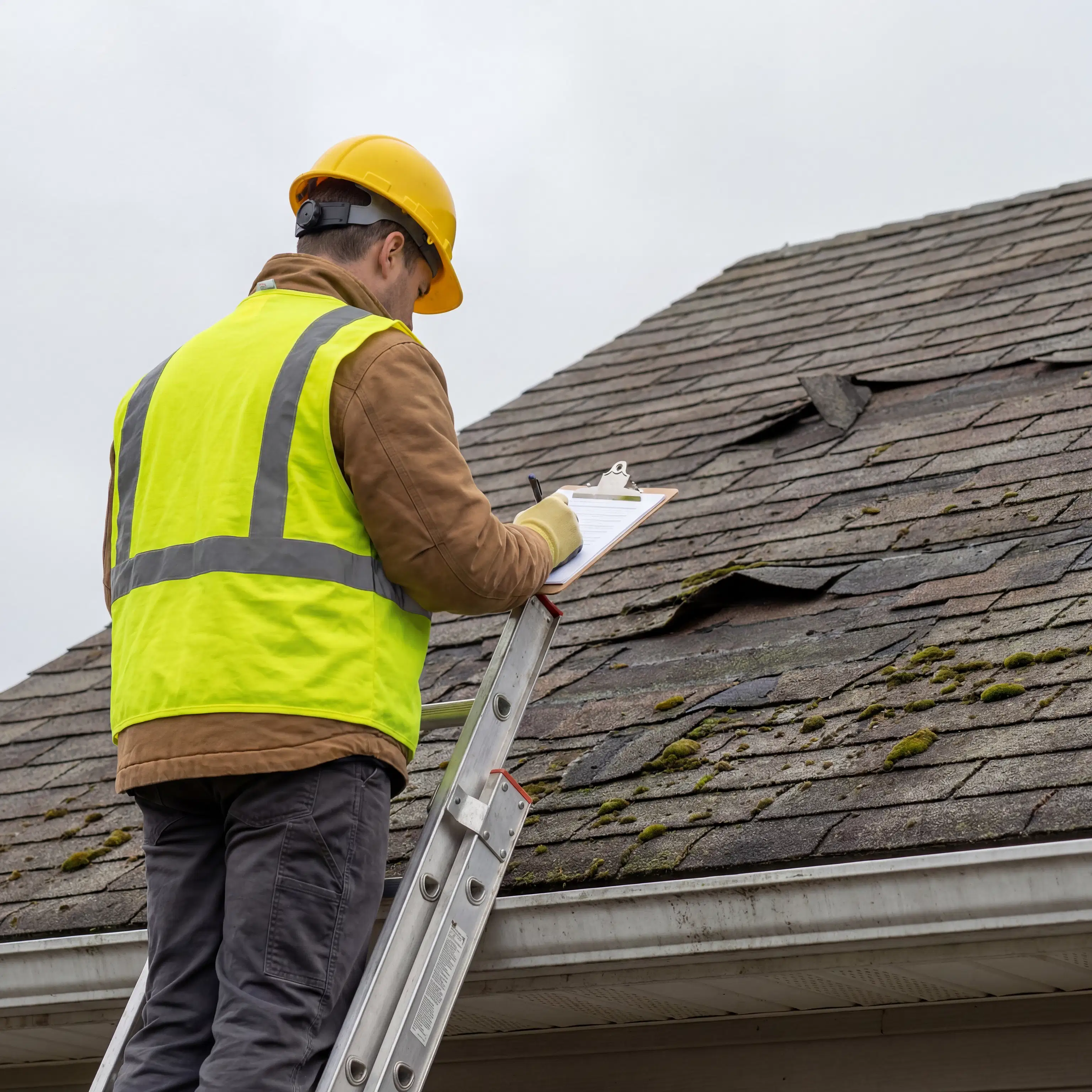
One of the first indicators that your asphalt shingles are reaching the end of their lifespan does not actually happen on the roof itself—it happens in your gutters. Those tiny, sand-like granules on your shingles are there for a very specific reason. They protect the underlying asphalt coating from damaging UV rays and add a layer of fire resistance. Over time, heavy rain and our notorious freeze-thaw cycles cause these granules to loosen and wash away.
If you are cleaning out your gutters and notice a heavy accumulation of what looks like coarse black sand, your shingles are losing their primary defense. While some minor granule loss is normal for a brand-new installation, excessive shedding on an older roof means the asphalt is exposed directly to the sun. This accelerates aging, making the material brittle and prone to cracking. Today, we use advanced drone imaging and 3D aerial measurements to safely and accurately measure this kind of wear without having to climb up and risk damaging fragile shingles further.
Curling, Cracking, and Blistering
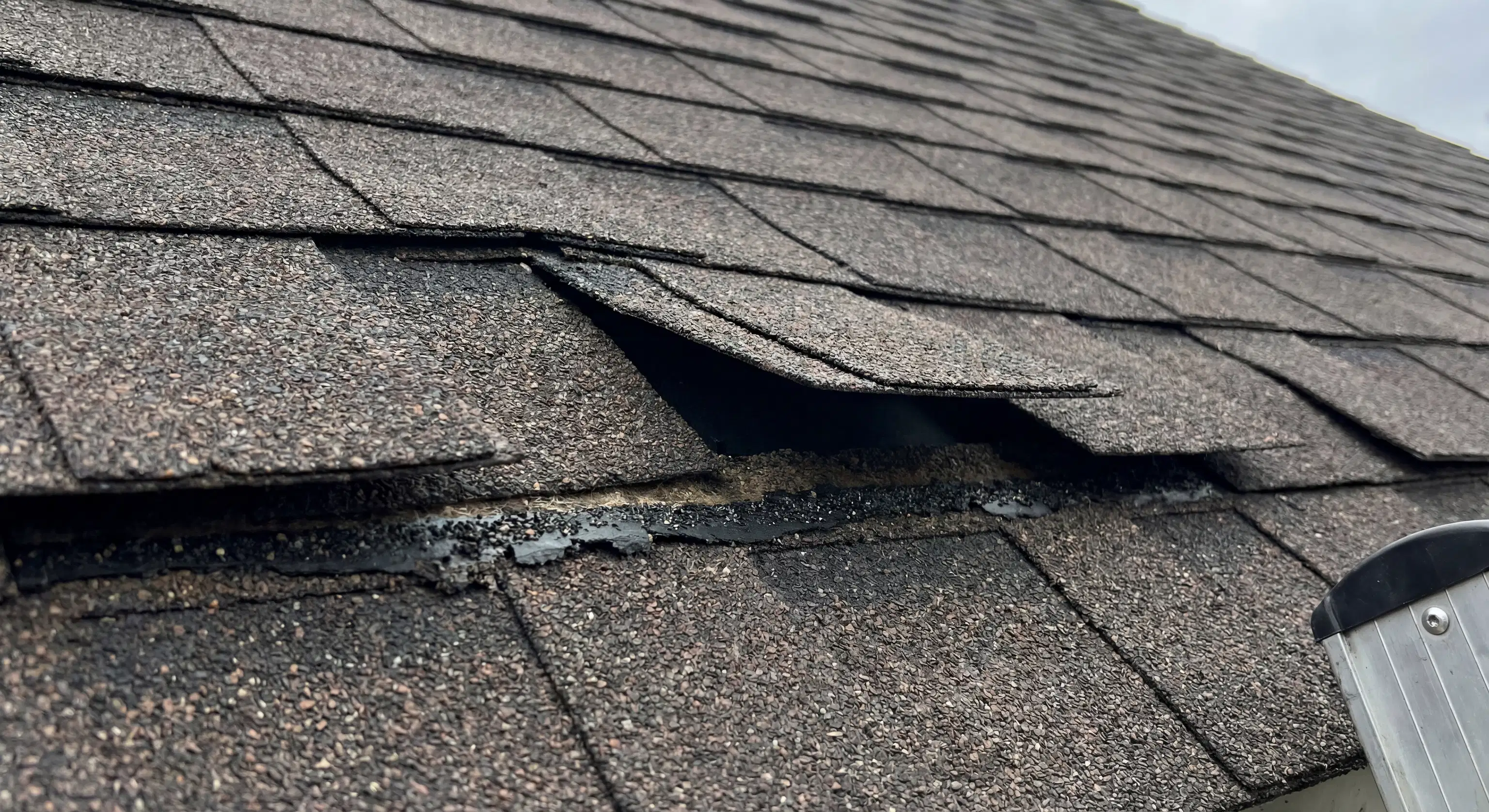
As shingles lose their protective granules and bake in the summer heat, they begin to physically distort. You might notice the edges of the shingles turning upward, which is known as curling, or the middle popping up, known as cupping. This is a clear sign that the material is shrinking and drying out. High humidity and frequent rain can also cause blistering, where moisture gets trapped inside the shingle and expands when the sun heats it up.
Once a shingle cracks or curls, it is no longer watertight. Wind can easily catch the lifted edges, and water can seep underneath, leading to wood rot and interior leaks. If you spot these issues from the ground, it is time to look into roof repairs before the colder months arrive and make the surface too slippy and dangerous for a simple fix. Addressing these distorted shingles promptly prevents moisture from penetrating the underlayment and compromising the structural integrity of your roof deck.
The Impact of Winter Weather and Ice Dams
A common question we hear from homeowners is how to prevent and treat ice dams during Western Pennsylvania winters. Ice dams form when heat escapes from your attic, melting the snow on the upper parts of your roof. This water runs down to the colder eaves and freezes, creating a dam that forces subsequent melting snow to back up under your shingles. This process is incredibly destructive to asphalt shingles and is a leading cause of winter leaks.
Proper attic insulation and ventilation are the keys to preventing ice dams, but the condition of your shingles also plays a role. Older, brittle shingles are much more likely to snap or lift when ice forces its way underneath. While many people wonder if roofing can be installed during the winter months, the answer is yes, though it requires specialized techniques and careful handling of materials to ensure the shingles seal correctly in the cold. However, it is always better to identify and resolve vulnerabilities in the fall rather than dealing with an emergency replacement in freezing temperatures.
Repairing vs Replacing Aging Asphalt Shingles
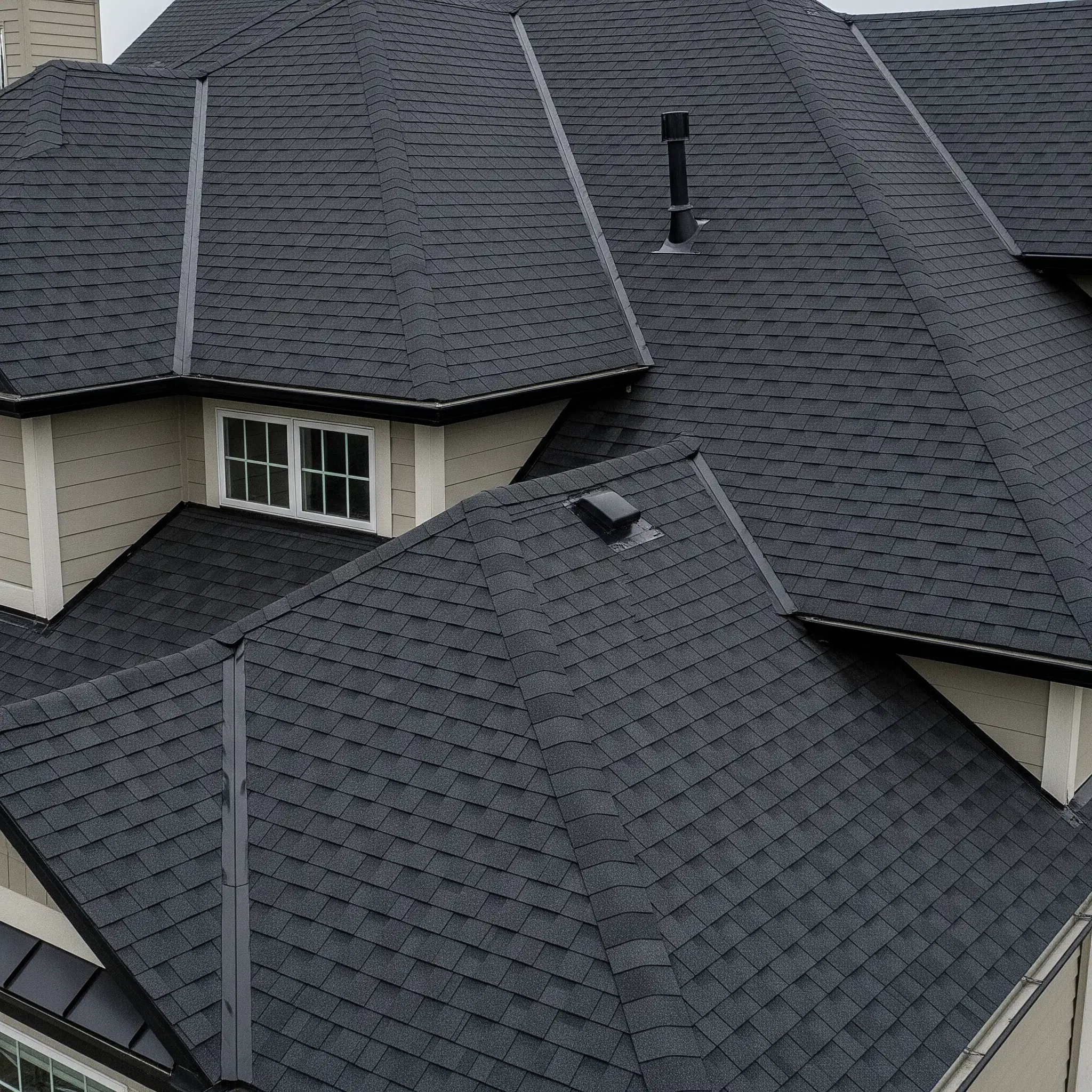
When homeowners notice damage, the immediate concern is usually cost. The debate of repairing vs replacing aging asphalt shingles comes down to the age of the roof and the extent of the wear. If your roof is relatively young and the damage is isolated—perhaps from a fallen branch or a specific localized storm—a targeted repair is usually sufficient. However, if the shingles are showing widespread wear, curling, or bald spots across multiple slopes, re-roofing is the most cost-effective long-term solution.
We know that fluctuating material costs and inflation make budgeting for home improvements stressful. That is why we provide transparent, detailed estimates with no hidden fees, alongside flexible financing options to help you manage the investment. It is also why it is crucial to work with an established, locally licensed contractor. After severe weather, it is common for out-of-town storm chasers to flood the area. You want to avoid these fly-by-night jagoff contractors who do sub-par work and disappear when warranty issues arise. Always look for a local company with strong manufacturer certifications and verified community reviews.
Protecting Your Home for the Long Haul
Your roof is a complex system designed to protect your most valuable asset. By keeping an eye out for early shingle wear, you can address minor issues before they turn into major headaches. When you work with a reputable local team, you can also rest assured that the property will be respected. A professional crew will always red up the yard when the job is done, using magnetic sweepers to ensure no stray nails are left behind for your car tires or bare feet to find.
If you are unsure about the condition of your roof, do not wait for the next big storm to test its limits. The team at JS Jobs LLC Roofing Plus is proud to serve homeowners across the Three Rivers region with honest assessments and high-quality craftsmanship. Contact us today to schedule a thorough inspection, and let us make sure your home is ready for whatever the weather brings.